
August 2023
July 2023
Odanak celebrates its culture by revitalizing the community’s street names
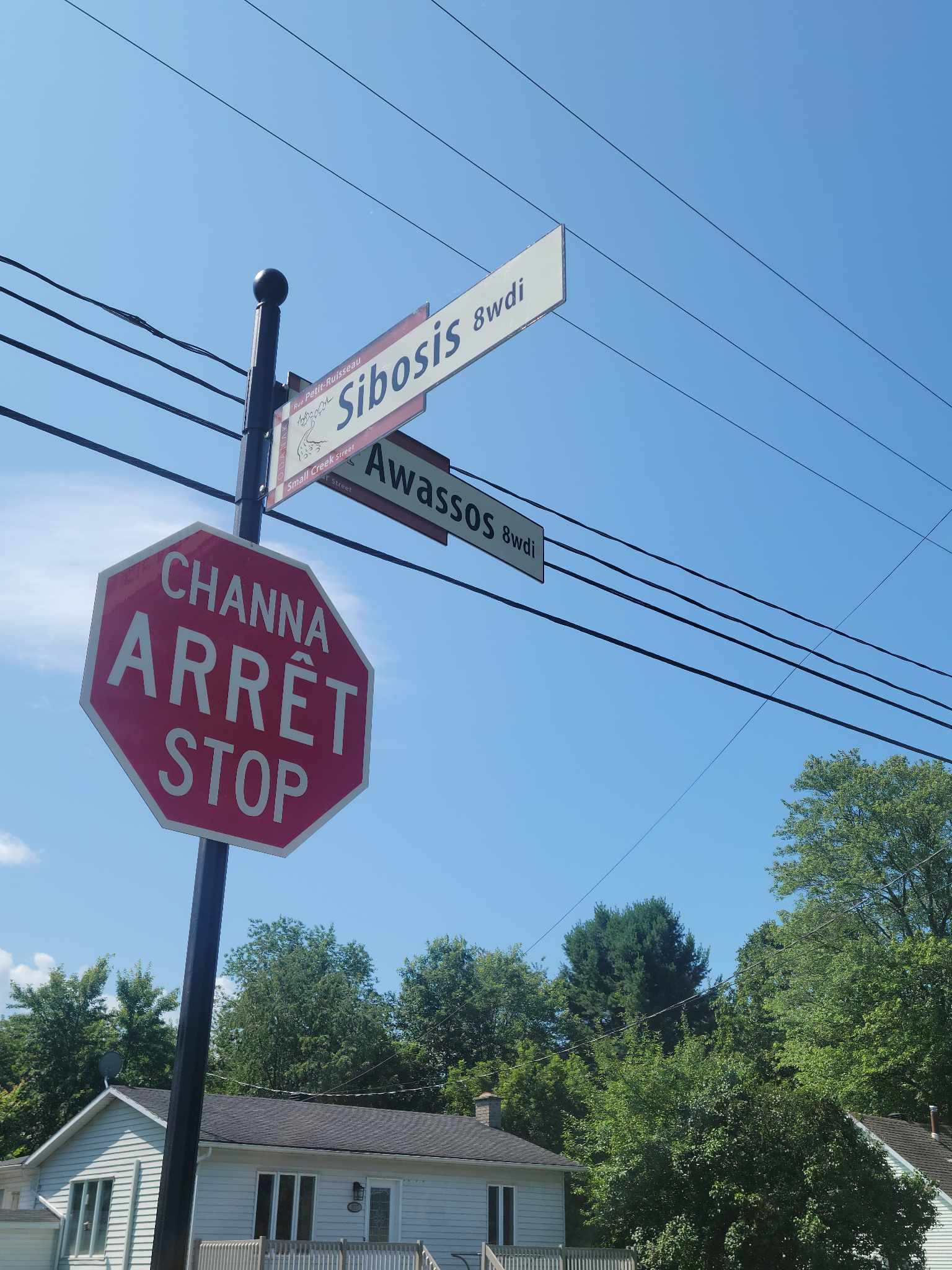 The Abenaki Council of Odanak is delighted to announce a significant cultural initiative to revitalize the community’s street names. This initiative aims to highlight the Abenaki language and reflect its importance. The new street name signs, featuring the names in three languages – Abenaki, French and English – as well as pictograms symbolizing their meaning, are being unveiled this week at the Odanak Pow Wow taking place this weekend.
Since immemorial times, Odanak has been the guardian of a rich history and deep-rooted culture. As part of this initiative, the Abenaki Council of Odanak re-evaluated existing street names to better reflect the evolution of the Abenaki language and its importance in expressing the community’s cultural identity. Some street names have been corrected to align with current linguistic knowledge, helping to preserve and promote the Abenaki language for future generations.
The pictograms accompanying each street name add a captivating visual dimension to this initiative. They tell stories, convey meaning and invite passers-by to immerse themselves in the very essence of Abenaki culture.
The Chief of the Abenaki Council of Odanak, Rick O’Bomsawin, spoke of the importance of this street name revitalization: “This initiative is an essential step in our quest to preserve our language and culture. By revitalizing street names in an relevant and meaningful way, we are reaffirming our attachment to our roots and our desire to share them with the world around us.”
The Odanak Pow wow festivities represent an ideal opportunity to present these new street name signs to the community and its guests. The Pow wow is an emblematic event that celebrates Abenaki culture and brings together participants from diverse backgrounds. The Abenaki Council of Odanak warmly invites all Pow wow visitors to take the time to discover these revitalized signs and immerse themselves in the history and cultural significance they carry.
This revitalization of Odanak street names reflects the Abenaki Council of Odanak’s ongoing commitment to the preservation of Abenaki culture and language. It also testifies to the community’s determination to embrace a vision for the future that honours and respects its ancestral traditions.
June 2023

Online W8banaki resource directory
A Nation’s culture and traditions brought to light with a new 100% Abenaki web resource directory
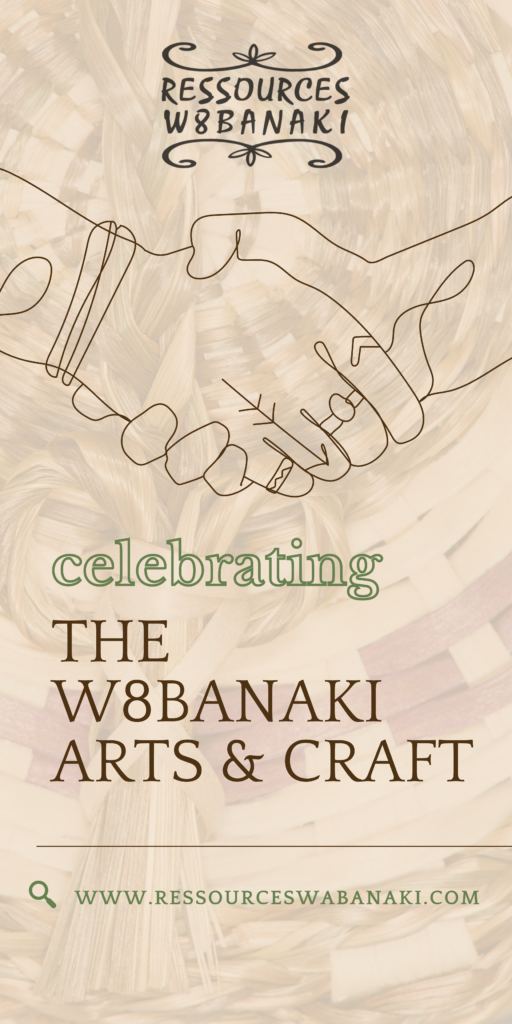 The Abenaki of Odanak and Wôlinak Band Councils, in partnership with the Grand Conseil de la Nation Waban-Aki, are proud to announce the online publication of a W8banaki resource directory.
In addition to offering greater visibility to the Nation’s artists and artisans, the W8banaki (Abenaki) resource directory also represents a means to stimulate economic development. In this authentically Abenaki directory where each registration is validated through a meticulous admission process, the Nation’s arts and crafts will be promoted with the objective of encouraging the dissemination of its culture.
In addition to providing a platform to showcase their arts and crafts, members of the directory can be kept informed of relevant news, such as upcoming events and training. Visitors to the website will be able to verify the authenticity of what is presented. In a context where several organizations, festivals or educational institutions wish to call upon the various First Nations cultural actors present on their territory, this type of directory becomes a precious tool to ensure the authenticity of what is being conveyed.
Thanks to the digital agency ASBAN, artisans, artists and visitors will have access to this new tool. In a spirit of pride and community support, the initiators of the project have chosen to collaborate with this Abenaki business established in Odanak and specialized in several information technology sectors.
Whether you are a future member or simply a visitor, you can visit www.ressourcewabanaki.com. Enjoy your visit!
OPPORTUNITÉ D’EMPLOI POUR LES JEUNES PASSIONNÉS DE LA TECHNOLOGIE (In French only)
Vous êtes à la recherche d’une expérience de travail passionnante dans le domaine des technologie de l’information et des communications (TIC) ? Ne cherchez plus, le Conseil en éducation des Premières Nation (CEPN) vous offre une chance unique de développer vos compétences grâce au programme Connexion compétences – Placement dans les TIC !
L’objectif ? Permettre aux jeunes de 18 à 30 ans d’acquérir une expérience pertinente dans le domaine des TIC.
Téléchargez le formulaire à remplir et retournez-le au rh@old-caodanak.asban.dev
Date limite pour soumettre le formulaire d’inscription : 14 juillet 2023 (Ne tardez pas, car les places sont limitées !)

April 2023
MAJOR CONFERENCE AT THE UNIVERSITY OF VERMONT: CRUCIAL ISSUES FACING THE W8BANAKI NATION DISCUSSED
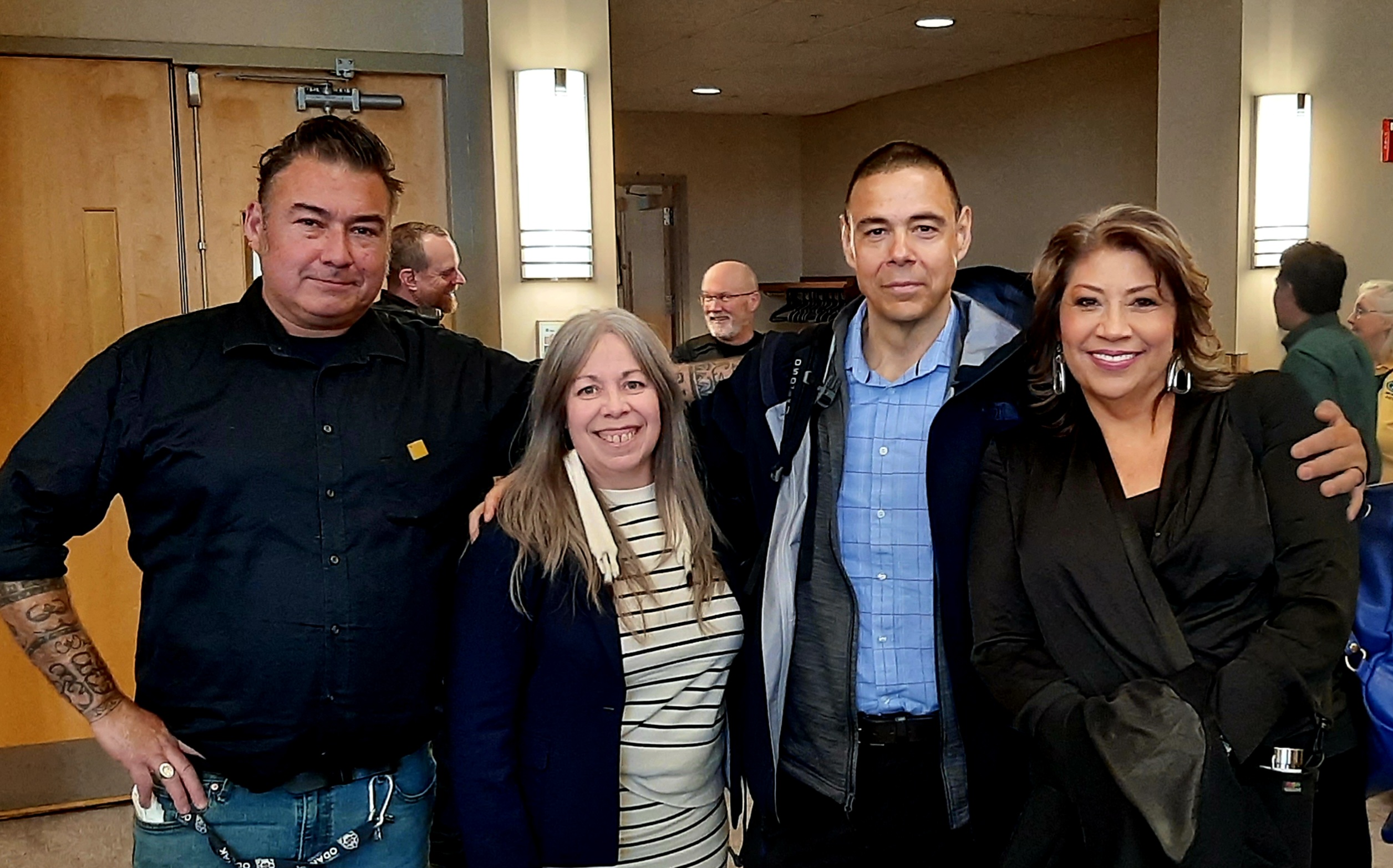
A major conference of Indigenous experts and researchers was held today at the University of Vermont. For the occasion, several members of the Odanak First Nation were present, providing authentic representation and cultural participation, in addition to the 100+ members who attended virtually.

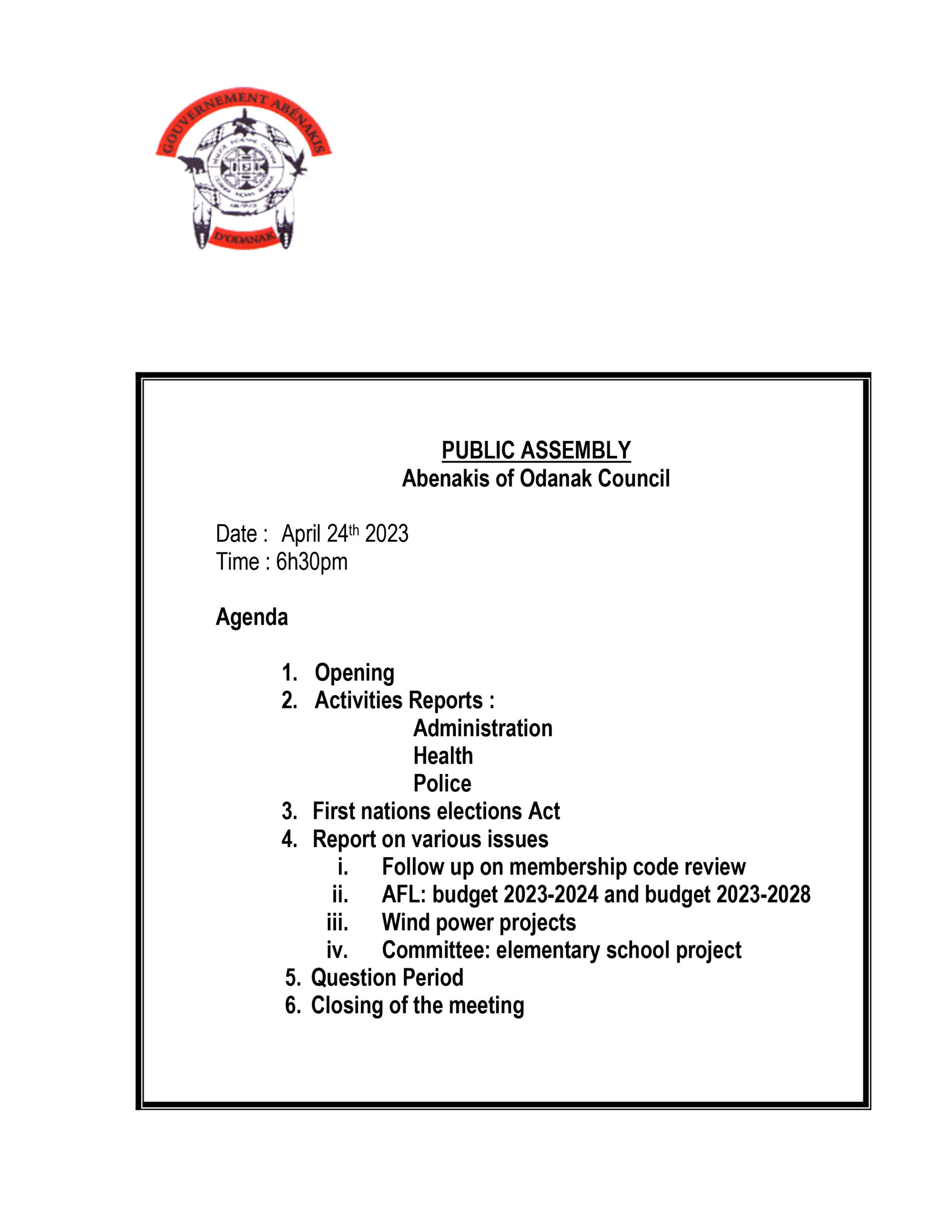
Next Public Assembly | Agenda
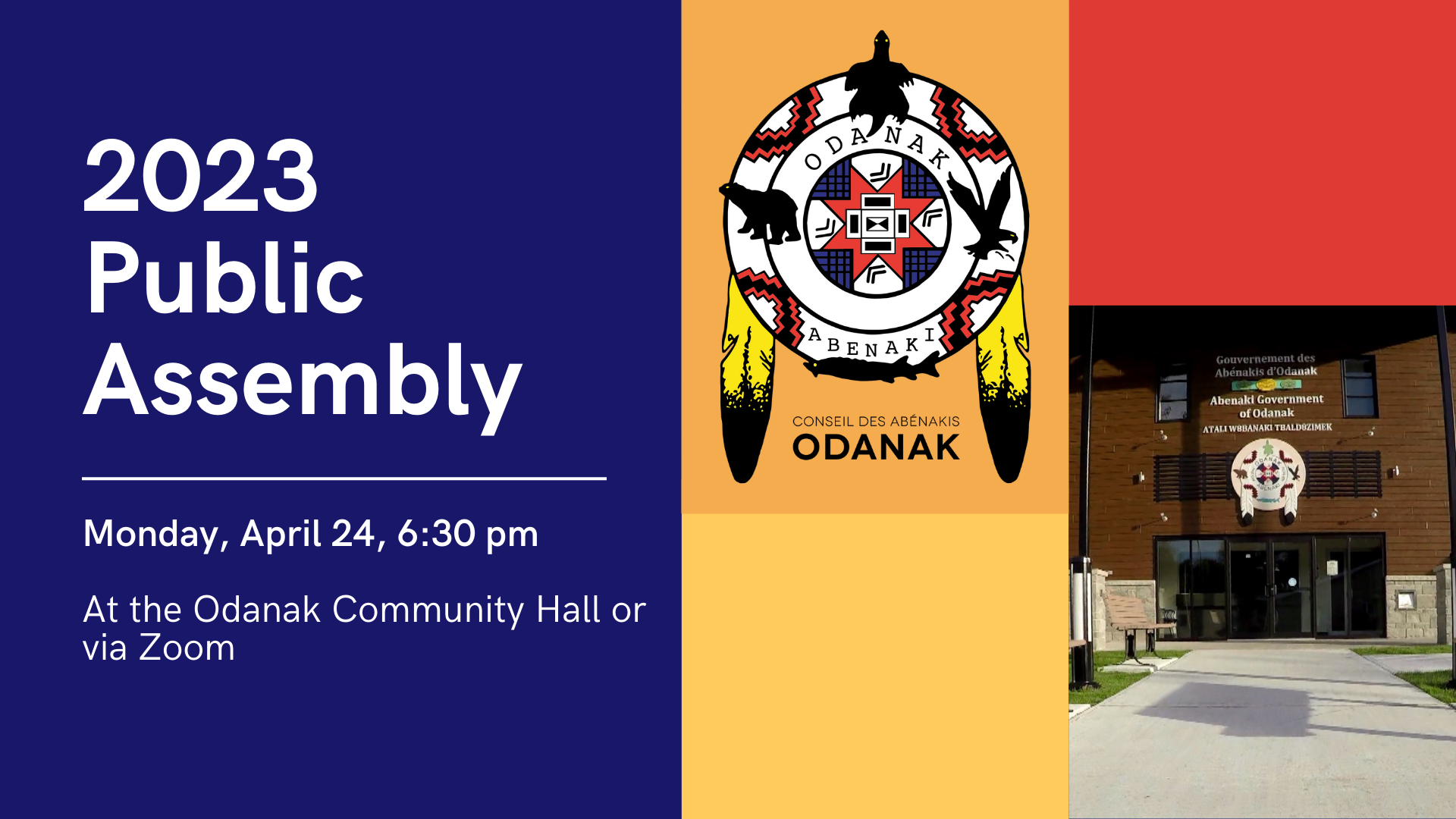
On Monday, April 24, the public meeting of the Abenaki Council of Odanak will be held.
Until then, we invite you to consult the attached agenda.
We hope to see you there.
SCHEDULE | EASTER 2023
Wli 8bijibak !
The Band Council office will be closed on:
– Friday, April 7
– Monday, April 10
We will be back to our regular schedule on Tuesday April 11th.
Have a nice Easter break!
March 2023
Nomination des membres pour constituer le nouveau Comité consultatif en reconnaissance de la Ville de Montréal (In French only)
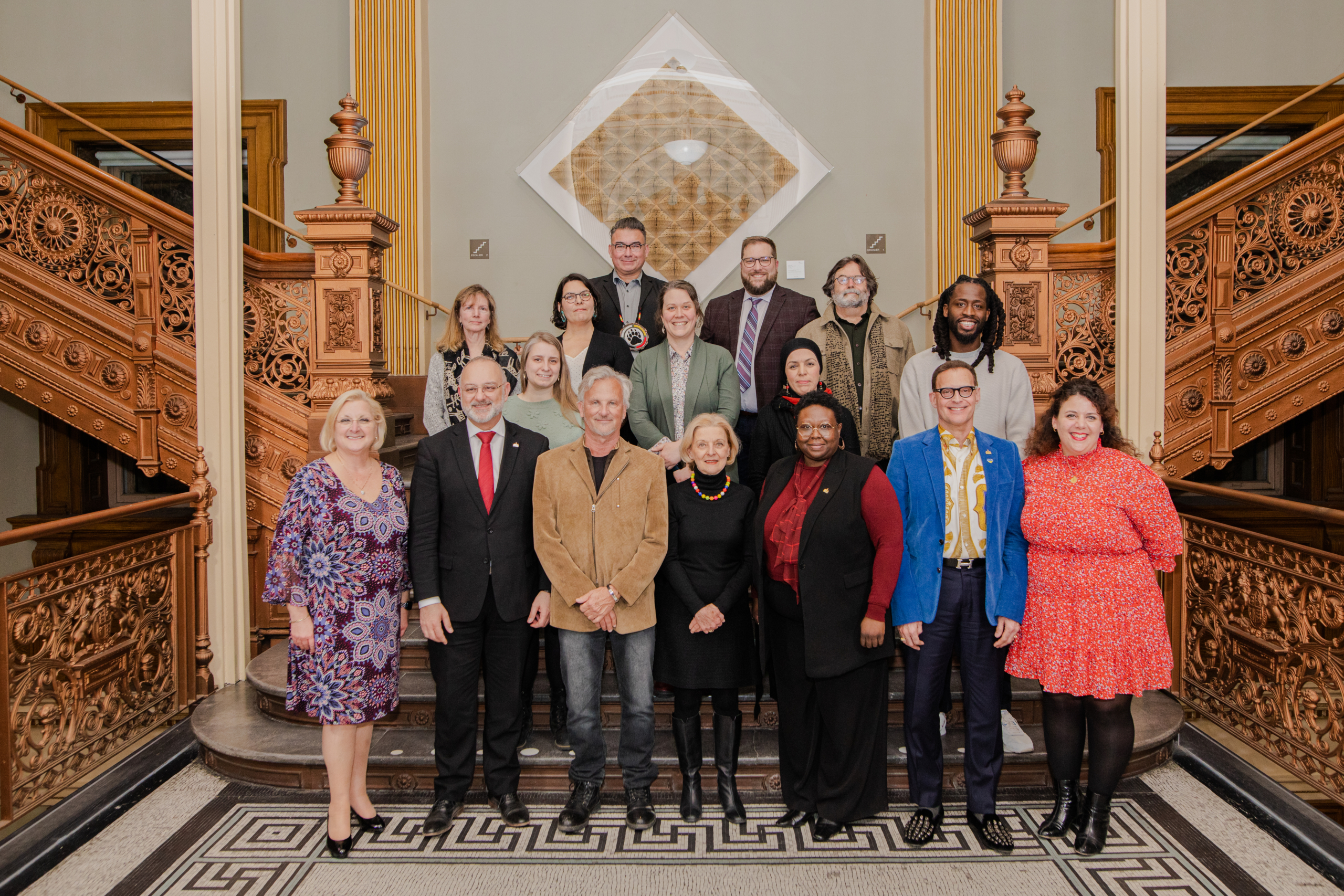 La responsable de la culture et du patrimoine au sein du comité exécutif, Ericka Alneus, est heureuse d’annoncer que le conseil municipal de la Ville de Montréal recommande la nomination de neuf personnes membres et de cinq membres suppléants au sein du nouveau Comité consultatif en reconnaissance.
Le Comité consultatif en reconnaissance est une nouvelle instance de la Ville de Montréal. Son mandat consiste à formuler des avis à la Ville de Montréal dans le but d’éclairer les décisions concernant les projets de cérémonies commémoratives, de commémoration matérielle, de toponymie et de règlements d’identification visés par la Loi sur le patrimoine culturel du Québec. Ce comité a été créé à la suite de l’adoption par le conseil municipal du Cadre d’intervention en reconnaissance et du Règlement sur le Comité consultatif en reconnaissance.
« Montréal accorde une grande importance à la reconnaissance des personnes, des biens ou des événements qui ont marqué son passé. Comme toutes les métropoles, nous devons aussi composer avec des enjeux de sensibilités et d’équité dans les gestes de reconnaissance. Afin d’encadrer les gestes de reconnaissance à l’aide d’un outil inclusif, neutre et novateur, nous avons adopté le Cadre d’intervention en reconnaissance patrimoniale, duquel découle le Comité consultatif en reconnaissance. Je salue et je remercie les membres de ce comité qui commenceront bientôt leur mandat! Leur travail permettra à la Ville d’innover, de donner la parole à ses citoyennes et à ses citoyens et de prendre des décisions concertées dans divers contextes de reconnaissance », a déclaré la responsable de la culture et du patrimoine au comité exécutif, Ericka Alneus.
Les membres
Les membres du Comité et les membres suppléants étant nommés par le conseil municipal, le comité exécutif a adopté une résolution par laquelle il recommande au conseil de procéder à la nomination des personnes suivantes :
À la présidence :
- Jean-François Leclerc, historien et muséologue, pour un premier mandat de 3 ans;
À la vice-présidence :
- Isabelle Dumas, architecte et urbaniste, pour un premier mandat de 3 ans;
- Jacques Thériault Watso, conseiller au Conseil des Abénakis d’Odanak, pour un premier mandat de 3 ans;
À titre de membres :
- Rito Joseph, conférencier sur l’identité culturelle et l’histoire, pour un premier mandat de 3 ans;
- Francyne Lord, conseillère en art public, pour un premier mandat de 3 ans;
- Charlotte Kelly, consultante en patrimoine et animatrice d’ateliers de danse traditionnelle, pour un premier mandat de 2 ans;
- Bernard Vallée, animateur en patrimoine et histoire urbaine et sociale, pour un premier mandat de 2 ans;
- Daniel-Joseph Chapdelaine, conseiller en affaires municipales et en aménagement du territoire, pour un premier mandat de 2 ans;
- Bérénice Mollen-Dupuis, conseillère en développement d’affaires – dossiers autochtones, pour un premier mandat de 2 ans.
À titre de membres suppléants :
- Luce Lafontaine, architecte, pour un premier mandat de 3 ans;
- Elyse Lévesque, professeure au collégial, pour un premier mandat de 3 ans;
- Paul-André Linteau, historien, professeur émérite, pour un premier mandat de 3 ans;
- Imen Ben Jemia, docteure en aménagement et chargée de cours, pour un premier mandat de 3 ans;
- Doreen Petiquay-Barthold, responsable des communications à Femmes Autochtones du Québec, pour un premier mandat de 3 ans.
Les membres sont choisis en fonction de leur expérience et de leurs compétences reconnues dans des domaines comme l’histoire de Montréal, l’histoire de l’art, le patrimoine immatériel, les sciences sociales, l’éthique et les droits de la personne. La sélection des membres vise également l’inclusion de personnes issues des communautés autochtones et des groupes ethnoculturels. Les choix interviennent à la suite d’un appel public de candidatures pour la constitution du comité et d’un processus de sélection mené par un comité ayant réalisé des entrevues. Le dossier sera soumis prochainement pour adoption à l’assemblée du conseil municipal.
Pour plus d’informations sur le Cadre d’intervention en reconnaissance, les outils de reconnaissance ou pour proposer un sujet de reconnaissance, veuillez consulter la section Outils de reconnaissance du site web de la Ville de Montréal.